English
 中文
中文 Русский язык
 Français
 Español

What Makes Vinyl-Insulated Terminals So Widely Used?
You’re looking at a simple component: a metal connector wrapped in colored plastic. But walk through any industrial facility, automotive shop, or appliance repair bench, and you’ll find vinyl-insulated terminals everywhere. Ring terminals, spade terminals, butt splices, disconnects—they’re the unsung heroes of electrical connectivity. The question is: what makes them so universally adopted? The answer is straightforward. They combine reliable electrical contact, mechanical protection, and installation ease in a single low-cost package. This guide walks through the common types, material choices, sizing considerations, and best practices—so you can select the right terminal for your application without overthinking it.
The Basic Types and Their Use Cases
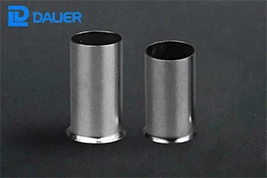
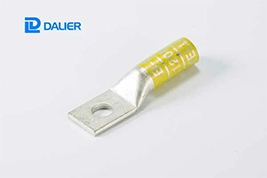
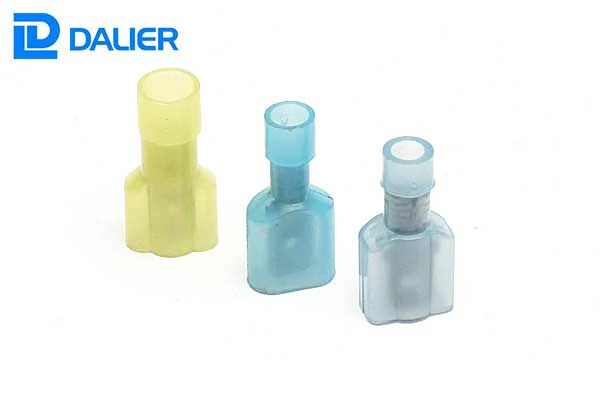
Vinyl-insulated terminals come in a range of configurations, each designed for a specific connection need. The most common types include ring terminals, spade terminals, butt splice connectors, male and female disconnectors, and cord end terminals. Ring terminals feature a circular opening that fits around a stud or screw, providing a permanent, secure connection that won’t pull off under vibration. Spade terminals, also known as quick-disconnect or flag terminals, have a fork-like shape that allows for fast installation and removal—ideal for applications requiring occasional servicing. Butt splice connectors join two wires end-to-end, commonly used in wire repairs and extensions. Male and female disconnectors provide a reliable plug-and-socket connection for components that may need to be swapped or serviced.
Ring Terminals for Permanent Connections
When a connection absolutely must not come loose, ring terminals are the go-to choice. The closed-loop design wraps around a terminal stud, and when tightened with a nut, it stays put regardless of vibration or thermal cycling. They’re commonly used in automotive starter circuits, industrial control panels, and appliance power connections.
Spade and Disconnect Terminals for Serviceability
For components that require periodic maintenance or replacement—think motors, sensors, or switchgear—spade terminals and disconnectors save significant labor time. The push-on/pull-off design means no tools are required for disconnection, making field service faster and reducing downtime.
Material Selection and Performance Characteristics
The performance of an insulated terminal depends on two factors: the metal conductor and the insulating jacket. Dalier’s terminals use high-purity brass or purple copper contacts with tin plating for superior conductivity and corrosion resistance. The insulating sleeve is typically made from nylon, PVC, or silicone, with nylon 66 (94V-2 flame-retardant rating) being the most common for general-purpose applications. This combination provides excellent electrical performance while protecting against short circuits, moisture, and mechanical abrasion.
Conductor Materials: Brass vs. Copper
Brass offers a good balance of conductivity, strength, and cost—making it the default choice for most commercial terminals. High-purity copper (purple copper) provides superior conductivity but comes at a higher price point, typically reserved for high-current applications where voltage drop must be minimized. Both materials are usually tin-plated to prevent oxidation and ensure a stable connection over time.
Insulation Materials: Nylon, PVC, and Silicone
Nylon 66 is the most widely used insulation material due to its toughness, flame retardancy (94V-2 rating), and resistance to heat and chemicals. PVC offers good flexibility and low cost, while silicone provides superior temperature resistance for extreme environments. The choice depends on your operating environment—temperature, chemical exposure, and mechanical stress all play a role.
Sizing and Electrical Ratings
Getting the size right is critical. Terminals are sized by the wire gauge they accommodate—typically ranging from 0.5 to 1.5mm² (A.W.G. 22–16) for standard applications, with some variants handling up to 6mm². The maximum current rating for standard terminals is typically 10A, though high-current versions can handle up to 48A. Temperature ratings also vary: standard vinyl-insulated terminals are rated up to 105°C, making them suitable for most indoor and automotive environments.
Wire Gauge Compatibility
Using a terminal sized for the wrong wire gauge is a common mistake. Too large, and the crimp won’t hold; too small, and the wire won’t fit. Always match the terminal’s specified wire range to your cable—0.5–1.5mm² terminals are suitable for most signal and low-power circuits, while 1.5–6mm² terminals handle higher-current loads.
Temperature and Voltage Ratings
Standard vinyl-insulated terminals are rated for continuous operation up to 105°C and voltages up to 300V (Ui). For higher-temperature environments—such as engine compartments or industrial ovens—silicone-insulated terminals with higher temperature ratings are recommended. Always check the derating curve if operating near the maximum temperature limit.
Insulation Color Coding and Identification
One of the most practical features of vinyl-insulated terminals is color coding. The insulation color indicates the wire gauge range the terminal is designed for: red typically denotes 0.5–1.5mm² (22–16 AWG), blue indicates 1.5–2.5mm² (16–14 AWG), and yellow signifies 4–6mm² (12–10 AWG). This simple system reduces assembly errors, speeds up wiring, and makes troubleshooting easier—any technician can look at a connection and immediately know if the correct terminal was used.
Standard Color Codes
-
Red: 0.5 – 1.5mm² (A.W.G. 22–16)
-
Blue: 1.5 – 2.5mm² (A.W.G. 16–14)
-
Yellow: 4 – 6mm² (A.W.G. 12–10)
Benefits Beyond Identification
Color coding isn’t just about convenience—it’s a quality control measure. In large-scale production environments, color-coded terminals allow for rapid visual inspection, catching mismatched sizes before they become field failures. It also reduces training time for new assembly staff.
Proper Crimping Techniques
A terminal is only as good as its crimp. Poor crimping—whether from the wrong tool, incorrect wire stripping, or insufficient pressure—is the leading cause of terminal failure. The wire should be stripped to the correct length, inserted fully into the terminal barrel, and crimped with a tool designed for the terminal type. Double-crimp designs, which crimp both the conductor and the insulation, provide additional strain relief and are standard on most vinyl-insulated terminals.
Strip Length and Wire Preparation
Incorrect strip length is a common error. Too short, and the wire won’t reach the conductor crimp; too long, and exposed conductor creates a short-circuit risk. Use the strip length specified in the terminal datasheet, and avoid nicking strands during stripping—nicks create weak points that break under vibration.
Tool Selection and Crimp Quality
Not all crimping tools are created equal. Ratcheting crimpers with interchangeable dies provide consistent, repeatable crimps—far superior to pliers-type tools. For high-volume production, pneumatic or hydraulic crimpers offer even greater consistency. Always perform a pull test on the first few crimps to verify tool setup.
| Terminal Type | Typical Use | Key Spec | Color Code |
|---|---|---|---|
| Ring Terminal | Permanent stud connections | Closed loop, nut-secured | Red/Blue/Yellow |
| Spade Terminal | Quick-disconnect applications | Fork shape, slip-on | Red/Blue/Yellow |
| Butt Splice | Wire-to-wire joining | In-line barrel | Red/Blue/Yellow |
| Male/Female Disconnector | Component plug connections | Push-on/pull-off | Red/Blue/Yellow |
| Cord End Terminal | Multi-strand wire termination | Pin-shaped barrel | Red/Blue/Yellow |
Applications Across Industries
Vinyl-insulated terminals are used wherever wires need to connect to components—which is to say, almost everywhere. In automotive systems, they secure connections in lighting circuits, sensors, and engine control modules. In home appliances, they’re found in washing machines, refrigerators, and HVAC equipment. In industrial equipment, they connect motors, controls, and power distribution systems. The versatility comes from the range of types, sizes, and materials available—there’s a terminal for almost every wire termination need.
Automotive and Transportation
Vibration, temperature extremes, and exposure to moisture and chemicals make automotive environments demanding. Vinyl-insulated terminals with nylon insulation and tin-plated brass contacts provide the durability needed for under-hood and chassis connections.
Industrial Control and Automation
In control panels and automation equipment, space is often tight and wiring density is high. Compact terminals like cord end terminals and flag disconnectors help maximize panel space while maintaining reliable connections.
What Professionals Ask About Insulated Terminals
How do I choose between ring and spade terminals?
Choose ring terminals for permanent connections that must not disconnect under vibration—such as battery cables or ground studs. Choose spade terminals for connections that may need to be disconnected for servicing, such as motor leads or sensor wiring.
What does the color coding mean?
Red terminals fit 0.5–1.5mm² (22–16 AWG) wire; blue fits 1.5–2.5mm² (16–14 AWG); yellow fits 4–6mm² (12–10 AWG). Always match the terminal color to your wire gauge.
Can I use the same terminal for solid and stranded wire?
Most vinyl-insulated terminals are designed for stranded wire. For solid wire, ensure the terminal barrel is rated for solid conductors—some are not. When in doubt, check the manufacturer‘s specification.
What’s the maximum temperature for vinyl-insulated terminals?
Standard vinyl-insulated terminals are rated up to 105°C. For higher-temperature applications, consider silicone-insulated terminals or high-temperature nylon variants.
Get the Right Terminals for Your Wiring Needs
Specifying terminals doesn’t have to be complicated. Match the type to your connection need, the size to your wire gauge, and the material to your environment—and you’re most of the way there. Request a quote or sample kit → —Dalier’s team can help you select the right terminals for your application, with samples available for testing.
Dalier offers a comprehensive range of Male and female full-insulating joint (Nylon) and other vinyl-insulated terminals, with products covering ring terminals, spade terminals, butt splices, male and female disconnectors, cord end terminals, and more. All terminals feature high-purity brass or copper contacts with tin plating, nylon 66 insulation with 94V-2 flame-retardant rating, and color-coded sizing for easy identification. With applications across automotive, appliance, and industrial equipment, Dalier provides reliable termination solutions backed by consistent quality. Contact Dalier to discuss your wire gauge, current requirements, and terminal type needs.