English
 中文
中文 Русский язык
 Français
 Español

Is Your Current AC Contactor Ready for Frequent Start-Stop Operation?
You’re controlling a motor that starts and stops dozens or hundreds of times a day—a conveyor, a pump, a crane, or a production line machine. The component that handles this repetitive switching needs to be built for the job, not just sized for the load.
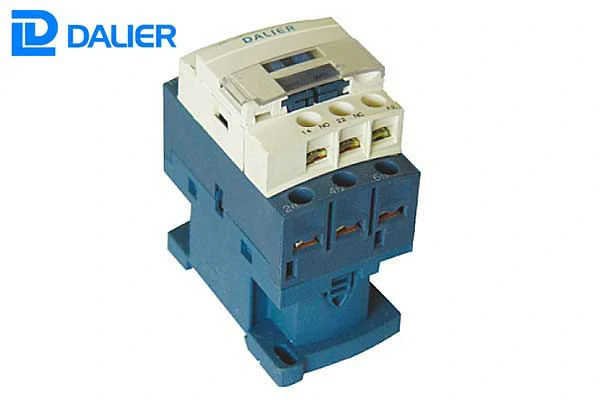
An AC Contactor is the electrically controlled switch that makes remote and automated motor control possible. But when the switching frequency goes up, the demands on the contactor change. The CJX2-N09 AC contactor is specifically designed for frequent starting and stopping of AC motors, with an AC-3 duty rating, mechanical life of 15 million operations, and an operating frequency of up to 1,200 operations per hour.
This guide helps you assess whether your current contactor—or the one you’re considering—is ready for the demands of frequent start-stop operation.
The Real Cost of Frequent Start-Stop
Not all switching is created equal. The difference between occasional and frequent operation changes how a contactor performs and how long it lasts.
AC-3 vs. AC-4 — The Rating You Can’t Ignore
AC-3 duty covers normal starting and stopping of motors while running—the most common application for motor control. AC-4 duty covers more demanding tasks like inching, plugging, and frequent reversing. A contactor rated for AC-3 may not survive AC-4 duty without upsizing. The CJX2-N09 is rated for AC-3 duty, making it suitable for the majority of motor control applications, including frequent start-stop sequences.
Heat Builds, Contacts Wear — The Hidden Cost
Every time a contactor closes, the starting current—up to 6-8 times the running current—passes through the contacts. This current generates heat. At high switching frequencies, the heating effect from starting currents and switching arcs exceeds the cooling effect during de-energized intervals, requiring larger contactors than normal running current would suggest.
Mechanical Life vs. Electrical Life — Know the Limit
A contactor has two lifespans. Mechanical life is the number of operations it can perform without electrical load. Electrical life is the number of operations it can perform under load. For the CJX2-N09, mechanical life is 15 million operations, while electrical life under AC-3 is 1 million operations. In frequent start-stop applications, electrical life—not mechanical life—is the limiting factor.
Built for the Job — Repetitive Starts, Reliable Performance
The CJX2-N09 is designed with features that make it suitable for frequent motor control applications.
Rated for the Rhythm of Production
The CJX2-N series is specifically rated for frequent starting and control of AC motors. It’s designed to handle the repetitive switching that would quickly wear out a contactor built for occasional operation.
Up to 1,200 Starts an Hour
The CJX2-N09 supports up to 1,200 operations per hour. This high operating frequency means it can handle the demands of production lines, conveyors, and other equipment that cycles frequently throughout the day.
Safe Reversing with Mechanical Interlocking
For applications that require frequent reversing—cranes, hoists, and conveyor direction changes—the CJX2-N series can be configured with mechanical interlocking to ensure two contactors cannot close simultaneously. This prevents short circuits and protects both the contactors and the motor.
1 Million Operations Under Load
Under AC-3 duty, the CJX2-N09 offers electrical life of 1 million operations. Under more demanding AC-4 duty (inching and plugging), it still provides 200,000 operations. These ratings provide confidence that the contactor will last through years of repetitive switching.
Know When to Upsize
Even a contactor designed for frequent operation may need to be upsized in certain conditions.
When Inching and Plugging Demand More
If your application involves inching (frequent brief starts) or plugging (reversing the motor while it’s still running), the contactor is operating under AC-4 duty. Under these conditions, a larger contactor than normal running current would suggest is required. The CJX2-N09 provides 200,000 operations under AC-4, but for extremely high-frequency reversing, consider upsizing.
Heat Outside, Stress Inside — Upsize When Needed
The operating frequency rating is based on standard ambient conditions. In high-temperature environments, the contactor’s heat dissipation is reduced, which can shorten electrical life. Upsizing provides additional thermal margin.
Starting Current That Tests the Contacts
If your motor has particularly high starting current—some motors draw up to 10 times running current—the contactor’s contacts experience more stress during closing. A larger contactor with higher rated current can provide additional margin.
| Operating Condition | CJX2-N09 Capability | Upsizing Recommended When |
|---|---|---|
| Normal AC-3 duty | 1M operations | Starting current >8x running |
| Frequent start-stop | 1200 ops/hour | Ambient temp >40°C |
| Inching/Plugging (AC-4) | 200K operations | >200 ops/hour under AC-4 |
| Reversing applications | Interlocking available | Frequent reversing with high inertia |
Questions You Need Answered
What’s the difference between AC-3 and AC-4 duty, and why does it matter?
AC-3 covers normal starting and stopping of motors while running. AC-4 covers inching, plugging (reversing while running), and frequent reversing. AC-4 is more demanding because the contactor must break higher currents more frequently. A contactor sized for AC-3 may need to be upsized for AC-4 applications. The CJX2-N09 is rated for both AC-3 and AC-4, with 1M operations under AC-3 and 200K under AC-4.
How can I tell if my contactor is failing from frequent use?
Common signs include unusual buzzing or chattering, visible contact pitting or burning, inconsistent switching, and motor not starting reliably. A visual inspection of the contacts—if accessible—can reveal pitting, welding, or excessive wear. A multimeter continuity test can confirm whether the contactor is properly closing the circuit.
Do I need a larger contactor for frequent start-stop applications?
If your application involves normal starting and stopping (AC-3) and you’re within the contactor’s rated operating frequency, the contactor is likely adequate. For inching, plugging, or very high-frequency reversing (AC-4), upsizing is recommended. The CJX2-N09 supports 1200 operations per hour—if you exceed this, consider a larger model.
How does the CJX2-N09 compare to other contactors for frequent use?
The CJX2-N series is specifically designed for frequent starting and stopping of AC motors. With 1 million electrical operations (AC-3) and 1200 operations per hour, it’s well-suited for demanding motor control applications. Mechanical interlocking options are available for reversing applications.
The Right Choice for Reliable Starts and Stops
Selecting the right AC contactor for frequent start-stop operation requires matching the contactor’s capabilities to your specific demands.
Match the Contactor to Your Cycle
How many starts per hour? What type of load? The CJX2-N09 supports up to 1200 operations per hour. If your application exceeds this, consider a larger model in the CJX2-N series.
Choose the Right Coil Voltage
The CJX2-N09 is available in a range of AC coil voltages including 12V, 24V, 110V, 220V, and 380V. Selecting the correct coil voltage ensures reliable pull-in and release under all operating conditions.
Add Accessories for Extended Functionality
The CJX2-N series can be equipped with auxiliary contact blocks, air delay heads, and mechanical interlocks. For reversing applications, mechanical interlocking ensures safe operation. For overload protection, the contactor can be paired directly with a thermal relay to form a motor starter.
Dalier manufactures the CJX2-N series of AC contactors designed for industrial motor control and power switching. The CJX2-N09 AC contactor is rated for AC-3 duty at 9A, with a mechanical life of 15 million operations, electrical life of 1 million operations under AC-3, and an operating frequency of up to 1200 operations per hour. It is specifically designed for frequent starting and stopping of AC motors, with available accessories including auxiliary contact blocks, air delay heads, and mechanical interlocks. The CJX2-N series complies with IEC60947-4-1 and GB14048.4 standards.
Ready to Evaluate the CJX2-N09?
For engineers, panel builders, and maintenance teams, the decision to use an AC contactor for frequent start-stop operation comes down to matching the contactor’s ratings to the application’s demands. The CJX2-N09 offers the durability, operating frequency, and accessory flexibility that industrial motor control applications require. If your current contactor is struggling with frequent switching, it may be time to evaluate whether it’s the right tool for the job.
Reach out to Dalier’s team—they can provide detailed specifications, application guidance, and configuration support for your specific motor control requirements.