English
 中文
中文 Русский язык
 Français
 Español

Can an AWG Mechanical Connector Reduce Your Inventory?
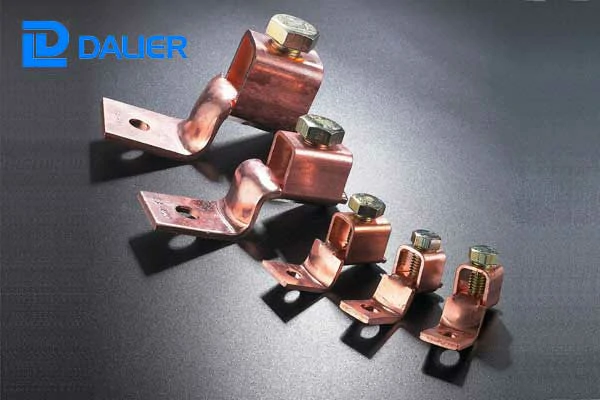
You're managing electrical components for a project, and the inventory list is getting out of hand. Different conductor sizes require different lugs, and stocking every size means shelves full of parts you rarely use. An AWG Mechanical Connectors solution with a range-taking design changes that equation. The One Hole Offset Floating Tongue Lug from Dalier accommodates multiple conductor sizes with a single catalog number — reducing the number of SKUs you need to stock while still covering the full range of AWG wire sizes. This article explains how range-taking capability works, what makes the offset floating tongue design practical for panel and equipment connections, and why the right screw type and torque specification matter more than most installers realize.
What Electrical Contractors Ask First
Wire Ranges, Screw Types, and Installation Tools
Q: What conductor sizes does a range-taking lug actually cover?
A: The KLU series covers a broad span of AWG sizes. The KLU25 handles 14-10 AWG, the KLU70 covers 8-2 AWG, the KLU125 accommodates 2-1/0 AWG, and the KLU650 extends from 600-1000 AWG. One connector per range means fewer catalog numbers and less inventory.
Q: What tools are needed for installation?
A: No special tools are required. The lug uses either a slot Robertson screw or a hex head/hex socket bolt, both of which can be tightened with standard screwdrivers or wrenches. The design eliminates over-torquing and potential conductor damage.
Offset Tongue and Floating Design
Q: What does "floating tongue" mean in practice?
A: The floating tongue allows the connector to adjust to the equipment pad or bus bar without forcing the cable into a strained position. The offset design positions the tongue away from the barrel centerline, making it easier to route cables in tight panel spaces. Together, these features reduce installation time and improve long-term connection reliability.
Why Range-Taking Design Saves More Than Shelf Space
Every distinct conductor size traditionally requires its own lug. A contractor working on a panel with 14 AWG control wiring and 2/0 AWG feeder cables needs at least two different lug part numbers — often more. Range-taking connectors collapse that complexity. One connector covers a span of sizes, which means fewer items on the shelf, fewer ordering mistakes, and less time spent matching lugs to wires. For electrical distributors, this reduces inventory carrying costs. For contractors, it simplifies procurement and reduces the risk of running out of the exact size needed on a job site. The KLU series is built around this principle: a convenient range-taking design that reduces catalog numbers while still meeting the electrical and mechanical requirements of each conductor size.
What the High-Conductivity Copper Alloy Delivers
The lug body is made from high-conductivity copper alloy. This material provides long-lasting, reliable contact with low electrical resistance. Copper alloy resists oxidation and maintains stable conductivity over time, which is critical in applications where connection integrity affects system safety and performance. The plain copper finish provides good conductivity and is compatible with standard copper conductors.
Screw Type and Torque Specifications
The KLU series uses either a slot Robertson screw or a hex head/hex socket bolt, depending on the model. Recommended tightening torque ranges from 20 in-lbs for the smallest KLU25 to 500 in-lbs for the KLU650. Following the specified torque is essential — under-torquing leads to loose connections and overheating, while over-torquing can damage the conductor or strip the screw. The design eliminates the guesswork by specifying the correct torque for each size.
Specifications Across the KLU Series
| Catalog Number | Wire Range | Stud Hole Size | Screw Type | Recommended Torque (in-lbs) |
|---|---|---|---|---|
| KLU25 | 14-10 AWG | 8 | Slot Robertson | 20 |
| KLU35 | 14-6 AWG | 10 | Slot Robertson | 45 |
| KLU70 | 8-2 AWG | 1/4 | Slot Robertson | 50 |
| KLU125 | 2-1/0 AWG | 1/4 | Slot Robertson | 50 |
| KLU175 | 4-3/0 AWG | 3/8 | Hex Socket | 124 |
| KLU225 | 2-4/0 AWG | 5/16 | Hex Socket | 204 |
| KLU300 | 1/0-350 AWG | 3/8 | Hex Head | 325 |
| KLU400 | 1/0-500 AWG | 3/8 | Hex Head | 375 |
| KLU650 | 600-1000 AWG | 1/2 | Hex Head | 500 |
Where Offset Floating Tongue Lugs Are Used
The KLU series serves applications where reliable cable-to-equipment connections are essential:
Electrical Panels and Switchgear
Inside distribution panels and switchgear enclosures, space is tight and cable routing is constrained. The offset floating tongue allows the lug to sit flush against the bus bar or equipment pad without forcing the cable into a sharp bend. This reduces strain on the conductor and simplifies installation in crowded enclosures.
Equipment Grounding
Grounding connections must be mechanically secure and electrically reliable. The KLU series provides a solid mechanical connection that maintains low resistance over time. The range-taking design means one lug can accommodate different grounding conductor sizes, simplifying stock for contractors working on varied projects.
Industrial Machinery and Control Panels
Control panels and industrial machinery often use a mix of conductor sizes. The KLU series covers everything from 14 AWG control wires to 1000 AWG power feeders. Installers can use the same lug family across the entire panel, reducing the number of tools and parts needed on site.
Renewable Energy and Battery Systems
Solar inverters, battery racks, and energy storage systems use a range of conductor sizes for DC and AC connections. The KLU series provides the mechanical integrity and low resistance needed for these high-current applications.
Common Questions About Mechanical Lug Selection
Q: How do I choose the right KLU model for my wire size?
A: Match the wire range to your conductor size. For 14-10 AWG, use KLU25. For 8-2 AWG, use KLU70. For 600-1000 AWG, use KLU650. The range-taking design means one model covers a span of sizes, so you don't need an exact match for every conductor.
Q: What's the difference between slot Robertson and hex socket screws?
A: Slot Robertson screws accept a standard flathead or Robertson (square) driver. Hex socket screws require a hex key (Allen wrench). Hex head bolts accept a standard wrench or socket. The choice depends on the installation environment and the tools available on site.
Q: Can the lug be reused?
A: Yes. The connector is reusable. As long as the screw threads and contact surfaces are in good condition, the lug can be removed and reinstalled on a different conductor within its rated range.
Q: What maintenance do mechanical lugs require?
A: Periodic inspection of the tightening torque is recommended. Over time, thermal cycling can cause screws to loosen slightly. Checking torque at scheduled maintenance intervals ensures the connection remains secure. The copper alloy construction resists corrosion, so cleaning is rarely needed in dry environments.
Request a Mechanical Connector Configuration
An AWG Mechanical Connectors solution with range-taking capability, high-conductivity copper alloy construction, and offset floating tongue design is the practical choice for contractors and panel builders who need reliable connections without excessive inventory. The One Hole Offset Floating Tongue Lug from Dalier delivers a 14-1000 AWG wire range across nine catalog numbers, slot Robertson and hex socket screw options, recommended torque specifications from 20 to 500 in-lbs, plain copper finish for conductivity, and a reusable design that supports maintenance and reconfiguration.
Whether you're wiring control panels, grounding equipment, or connecting renewable energy systems, this lug family offers the range coverage and mechanical reliability that electrical installations demand. With a single range-taking connector covering multiple wire sizes, you can simplify procurement and reduce the number of parts on your shelves.
Contact Dalier for a mechanical connector configuration assessment → their team can help you select the right KLU model for your wire sizes, stud hole requirements, and installation environment. Get a connector that covers the range — so you stock fewer parts and finish more jobs.